When it comes to types of HVAC units, you have so many options, and each one seems complicated. This article will take you through all major kinds of home heating and cooling systems.
We’ll discuss how they function and which one would be the most suitable for your house in 2025. Staying warm or cool isn’t the only consideration when selecting a system. It’s about saving money on your expenses, making wise decisions for your home, and feeling cozy all year round.
Let’s examine some common types of HVAC units you may encounter. Your best option will rely on your existing things, the climate where you live, and the size of your space. The majority of homes employ an integrated system.
What Are HVAC Units Anyway?
Heating, ventilation, and air conditioning service are referred to as HVAC. And yes, that’s something to say, but basically, it’s your home’s technique of maintaining the air at the proper temperature, spinning it, and occasionally filtering it. The types of residential heating and cooling systems, and each one works somewhat differently. Being aware of the options available to you aids in decision-making.
Split System
Think of this as the classic, most common setup.Consider this the most traditional, standard configuration. A furnace or air handler is your inside unit, while an air conditioner or heat pump is your outside unit. Air is forced through your ducts by the indoor unit, while heat exchange is managed by the outdoor unit. Works in most homes, reliable, and pretty straightforward. Most people have one of these and don’t even realize it.
Hybrid Split System
Now, this one’s a little smarter. A hybrid system can switch between electricity and gas depending on which is cheaper or more efficient. Cold winter day? Gas kicks in to heat the house quickly. Mild day? Electricity takes over to save money. It’s flexible, saves energy, and is great if you want control over your bills without thinking too much.
Packaged HVAC System
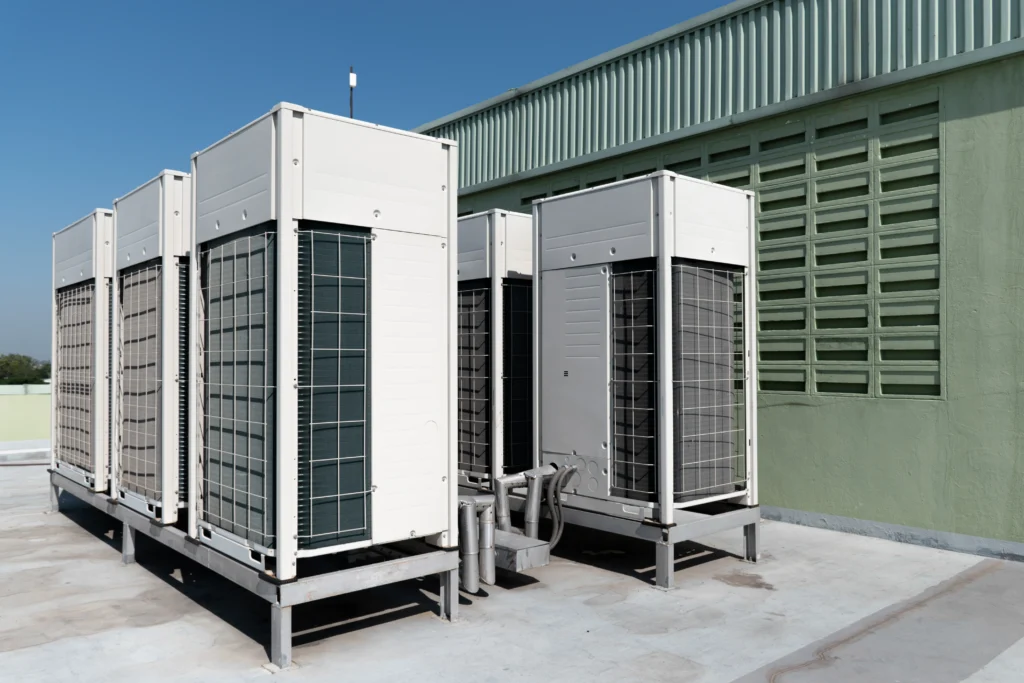
If your house doesn’t have space for indoor and outdoor units separately, a packaged system is handy. Everything heating and cooling is in one unit outside. Usually on the roof or on a slab near the house. Compact, easy to maintain, and does the job for most homes.
Ductless Mini-Split System
No ducts? No problem. Ductless mini-splits are perfect for older homes or room additions. One outdoor compressor connects to one or more indoor units. Each unit has its own thermostat, so you can set different temperatures in different rooms. Want the bedroom cooler than the living room? Done. Super energy efficient hvac systems and convenient.
Geothermal Heat Pump
The basic idea is that geothermal systems use the steady temperature of the earth to heat and cool your house, which is very environmentally friendly and energy-efficient. Although upfront expenses are higher, there may be significant long-term energy bill reductions. And to be honest, this is a fantastic choice if you care about sustainability.
How Can You Tell If You Have a Heat Pump?
A lot of people wonder, “How do I know if I have a heat pump?” Here’s the easy check:
- Take a look at the outdoor unit. Your heat pump, if it has one, is the one that allows the system to alternate between heating and cooling.
- Check your thermostat. If it handles both heat and cool without a separate furnace, yep, that’s a heat pump.
- Take in the warmth. Unlike furnaces, which blast hot air, heat pumps provide constant, soft heat.
Heat Pump vs Conventional HVAC Systems
So which is better? Heat pumps or traditional HVAC systems? Here’s the short version:
| Feature | Heat Pump | Conventional HVAC |
| Heating | Moves heat from outside | Burns fuel to heat air |
| Cooling | Works like AC | Separate AC needed |
| Efficiency | High | Moderate |
| Installation | Higher upfront | Lower upfront |
| Operating Cost | Lower in mild climates | Higher |
| Lifespan | 15-20 years | 10-15 years |
A heat pump is typically less expensive to operate if you reside in a mild climate. A traditional system may seem more dependable if you live in an area that experiences extreme cold.
Forced Air vs Heat Pump
Here’s a simple way to think about forced air vs heat pump:
- Climate: Heat pumps are great in moderate climates. Freezing winters? Forced air might work better.
- Energy Source: Heat pumps run on electricity and can pair with solar. Forced air systems usually use gas or oil.
- Installation: Forced air requires ducts. If your home doesn’t have them, that can get pricey. Heat pumps sometimes skip ducts altogether.
Bottom line: it depends on your home, your budget, and your local climate.
Energy-Efficient HVAC Systems in 2025
Efficiency is huge right now. Nobody wants a system that works well but costs a fortune to run.
- Look for ENERGY STAR certified systems. They meet strict efficiency rules.
- Check SEER and HSPF ratings. Higher = better efficiency.
- Variable-speed compressors adjust to your home’s needs instead of running full blast all the time.
- Smart thermostats let you control everything from your phone and even save energy automatically.
A high efficiency air conditioner or energy saving air conditioner isn’t just good for comfort, it’s good for your wallet too.
Ductless Mini-Splits: Perfect for Rooms or Homes Without Ducts
If your home does not have any ductwork, like an older house or a new sunroom, then ductless mini-splits are a fantastic option. They consist of a compact outdoor unit connected to one or more sleek indoor units that mount high on your wall or ceiling.
- The biggest advantage is zoning. You can set different temperatures for every room with an indoor unit. This is a super-efficient form of an HVAC zoning system.
- The installation is much simpler than putting in ducts. They just need a small hole in the wall for the conduit.
Common HVAC Problems
Even great systems can run into problems. Watch out for the types of HVAC units:
- HVAC dripping water: Some condensation is normal. Big puddles? Not good. Could be a clogged drain or refrigerant issue.
- AC drain line leaking: Usually a blockage, clean it, problem solved.
- HVAC leaking water: Could be frozen coils or broken pipes. Needs fixing fast.
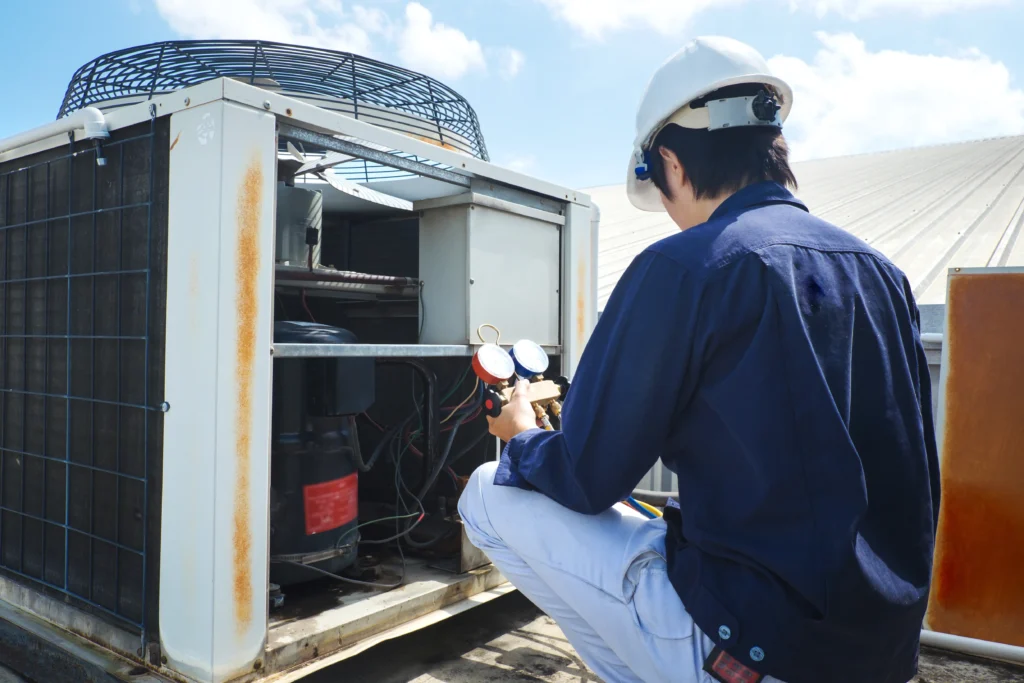
- Repairing HVAC: Annual checkups prevent bigger headaches and keep everything running efficiently.
Furnace Installation Tips
Thinking about a new furnace or system? Here’s what to know the types of HVAC units
- Make sure it’s the right size for your home.
- Too small = doesn’t heat/cool enough. Too big = wastes energy.
- Pick an energy-efficient model.
- Slightly more upfront, but you’ll save over time.
- Always go with a professional.
- Even a tiny installation mistake can cost efficiency.
Zoning Systems
Ever wish some rooms were cooler while others were warmer? Zoning systems make that happen. Each zone has its own thermostat. Great for big houses, multi-story homes, or homes with uneven insulation. Saves energy and keeps everyone happy.
HVAC Maintenance Tips
Keeping your system running smoothly isn’t hard:
- Change air filters every 1-3 months.
- Check and seal ducts.
- Keep the condensate line clear.
- Schedule professional inspections once a year.
Even small things, like a leaking AC drain line, can become big problems if ignored.
Conclusion:
Here’s the truth: knowing types of HVAC units makes picking the right system way easier. From ductless mini-splits to geothermal heat pumps, each option has its perks.. You can enjoy years of relaxation, energy savings, and peace of mind if you choose the correct one and take care of it.
The year 2025 is ideal for updating or reconsidering your HVAC system. Making the right decision now will result in reduced expenses and a house that feels comfortable throughout the year.
Frequently Asked Questions
What’s the most common types of HVAC units?
The split system, indoor and outdoor units working together are the types of HVAC units.
How do I boost efficiency?
Seal ducts, upgrade to a smart thermostat, and do regular maintenance.
Are heat pumps good in cold climates?
Yes, modern ones can work efficiently down to -5°F.
How long do HVAC systems last?
10-20 years depending on type and care.
How often should air filters be changed?
Every 1-3 months.
Can I install it myself?
Better not. Professionals ensure safety and efficiency.
What size system do I need?
Depends on your home, insulation, and climate. A pro can calculate it.
What’s a zoning system?
It lets different rooms have different temperatures, saving energy.
How do I reduce HVAC noise?
Proper maintenance, correct sizing, and noise-reducing pads.
Do energy-efficient systems get tax credits?
Some do. Check local or federal programs.