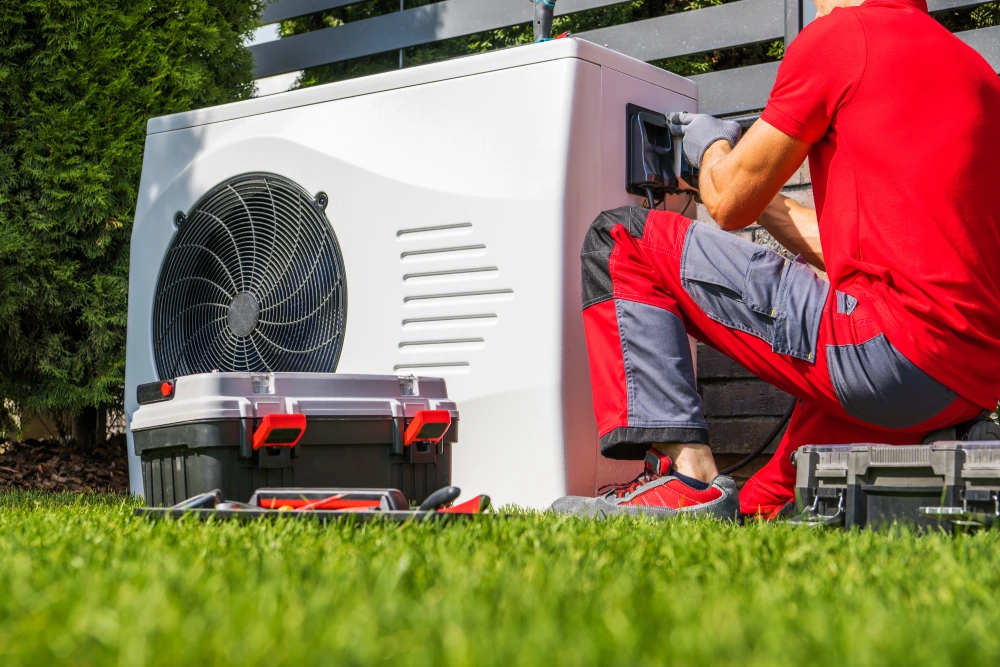
Cold winters demand smart heating choices. An electric heat pump is becoming the go-to solution for homes living through freezing temperatures and unpredictable weather changes. This technology is replacing old systems because it delivers comfort, efficiency, and savings without relying heavily on fossil fuels. With technology improving rapidly, a cold-climate electric heat pump can now perform even when temperatures drop below zero.
People searching online want answers, questions like how efficient a heat pump is, whether it works during snow, or which heating and cooling systems for homes are worth the investment. This guide explains everything clearly.
Why Cold-Climate electric heat pump Systems Matter
Winter heating is expensive. Many homeowners look for energy efficient heating options to reduce bills while staying warm. A cold-climate electric heat pump uses advanced refrigerant technology to extract heat from outdoor air, even in freezing temperatures. This makes them powerful snow-season warriors.
Unlike traditional systems, the electric heat pump works for both heating and cooling, removing the need for separate systems.
How an electric heat pump Beats Traditional Heating
| Feature | Traditional Furnace | Cold-Climate electric heat pump |
| Heating Source | Fossil Fuel | Electricity + Outdoor Air |
| Cooling | Requires AC Unit | Built-in heating and cooling |
| Efficiency | Moderate | High, especially with inverter tech |
| Maintenance | Seasonal | Low compared to furnaces |
| Eco-Impact | High emissions | Cleaner energy source |
Smart Tech + electric heat pump = Maximum Savings
Modern homes rely on automation, and that includes heating. People want technology that learns habits and adjusts energy use. That’s where smart thermostats and control systems matter.
A common question today: how do smart thermostats save energy?
Smart thermostats save energy by learning patterns, adjusting temperatures when away, and offering zone-based control. Pairing a electric heat pump with the best smart heating control system leads to remarkable efficiency.
Some systems even support nest thermostat baseboard heater compatibility, depending on wiring and setup.
Installation Matters: Making the Most of a Cold-Climate electric heat pump
A system works only as well as the installation allows. A ducted heat pump system provides a whole-home solution, especially in larger homes or those already using forced air systems. Those with older structures or additions may choose hybrid or zone-based systems.
A short breakdown:
- Homes with existing ducts → ducted heat pump system
- Homes without ducts → mini-split configuration
- Partial renovations → hybrid setup with a high efficiency furnace in extreme cases
What About Backup Heating?
Many still search: do space heaters use a lot of electricity?
Yes, most portable heaters consume high wattage for limited heating space. They are short-term solutions, not a long-term replacement for a full system. An electric heat pump paired with smart zoning eliminates the need for constant space heater use.
For targeted spaces like cooking areas, kitchen heaters electric can be used, but only when needed.
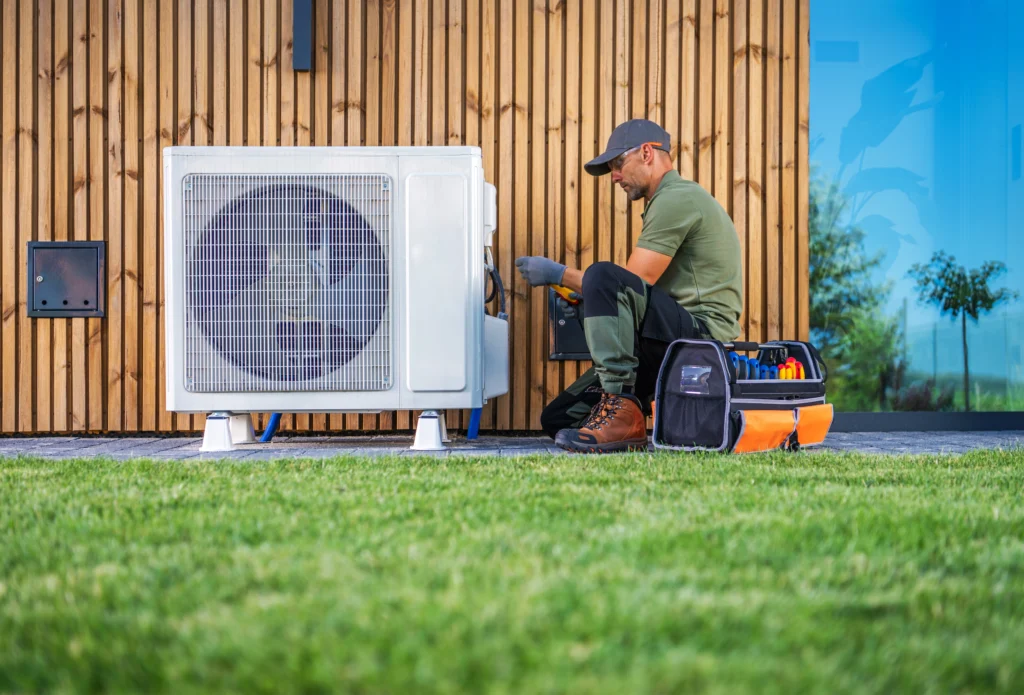
Replacement Time? Understanding heat pump replacement Signals
Not every system lasts forever. Homeowners typically consider heat pump replacement when experiencing:
- Higher bills than average
- Uneven room temperatures
- Strange noises from compressors
- Poor airflow
When upgrading, many compare whether an ac heat pump or hybrid system fits better. Modern cold-climate units reduce the need for backup systems and offer a long-term upgrade from older HVAC units.
Energy Efficiency at Home: Small Choices, Big Impact
Heating systems aren’t the only part of the energy equation. Using energy efficient appliances throughout the home dramatically reduces monthly bills.
Devices working together create a comfortable and efficient environment:
- Smart thermostat installation guide support
- Low-consumption home electronics
- Efficient heating controls
- Modern ventilation options
Choosing the Most Efficient System for the Home
Many homeowners still ask: what is the most efficient electric heater for home use?
The answer depends on the entire home system, but in most cases, a electric heat pump stands out because it heats large spaces without the massive electricity draw that traditional resistance heaters require.
Homeowners benefit more by installing a central electric heat pump rather than relying on space heaters or outdated furnaces.
Look for:
- Cold-climate rating
- High SEER and HSPF scores
- Smart thermostat compatibility
- Long-term warranty
- Energy certification label
Pros and Cons Cheat Sheet
| Pros | Cons |
| Lower energy bills | Higher upfront cost |
| Heating + cooling in one system | May need electrical upgrades |
| Clean energy alternative | Skilled installation required |
| Long lifespan | Works best in sealed, insulated homes |
Real-World Performance of Cold-Climate Systems
Picture a freezing morning: snow piled against the porch, windows frosted over, and the cold biting hard outside. This is where a cold-climate electric heat pump shows true strength. Instead of struggling, it quietly keeps the home warm and steady, even when the temperature outside falls below zero. No wild temperature swings, no furnace blasting loudly and then shutting off — just smooth, consistent comfort.
Homeowners who once relied on traditional furnaces often talk about how uneven the heat used to feel. Some rooms were warm, others cold. With a modern electric heat pump, the home finally feels balanced. Every corner of the house stays comfortable because airflow stays controlled and optimized/
Cold-climate performance has already proven itself in real winter conditions, from snowy mountain towns to windy northern regions. These systems are redefining what comfort during winter should feel like.
Cost and Savings Breakdown: What Homeowners Can Expect
When thinking about heating upgrades, cost is always the first big question. Yes, installing a cold-climate electric heat pump may require a higher upfront investment, that part is honest. But what happens afterward is where the value becomes clear.
Energy bills start to drop. Maintenance becomes simpler. Instead of paying for a separate furnace and AC, one system handles everything year-round. Over time, this shift adds up.
A simple way to look at it:
| What Matters | Older Furnace System | electric heat pump |
| Heating + Cooling | Two separate systems | One system does both |
| Winter Bills | Usually higher | Often significantly lower |
| Comfort Experience | On-off cycling | Smooth, steady warmth |
| Lifespan | Shorter | Longer and more efficient |
Conclusion:
So the real cost isn’t just the purchase, it’s the long-term savings and stability that follow.For anyone planning to stay in their home, renovate or simply upgrade aging equipment, shifting to a cold-climate electric heat pump isn’t just a heating decision, it’s a lifestyle upgrade, a financial strategy and a smart move built for the future.
Frequently Asked Questions
How long does a cold-climate electric heat pump last?
Most units last 15–20 years with proper maintenance.
Can a electric heat pump work during snow or frost?
Yes, modern cold-climate systems operate efficiently in freezing temperatures.
Is a electric heat pump cheaper to run than a furnace?
In most homes, yes, especially when paired with automation.
Do smart thermostats help save money?
Yes, especially when controlling multi-zone systems.
Is a backup heating source required?
Not always, depending on region and model.
Do portable heaters increase monthly bills?
Yes, they consume high wattage for limited heating.
Can a electric heat pump cool the home in summer?
Yes, it works like an AC when switched to cooling mode.
What maintenance does the system need?
Filter cleaning, annual servicing, and airflow checks.
Are rebates available?
Many regions offer credits for energy efficient heating upgrades.
How soon does the system pay for itself?
Savings typically offset the investment within 4–7 years depending on use.