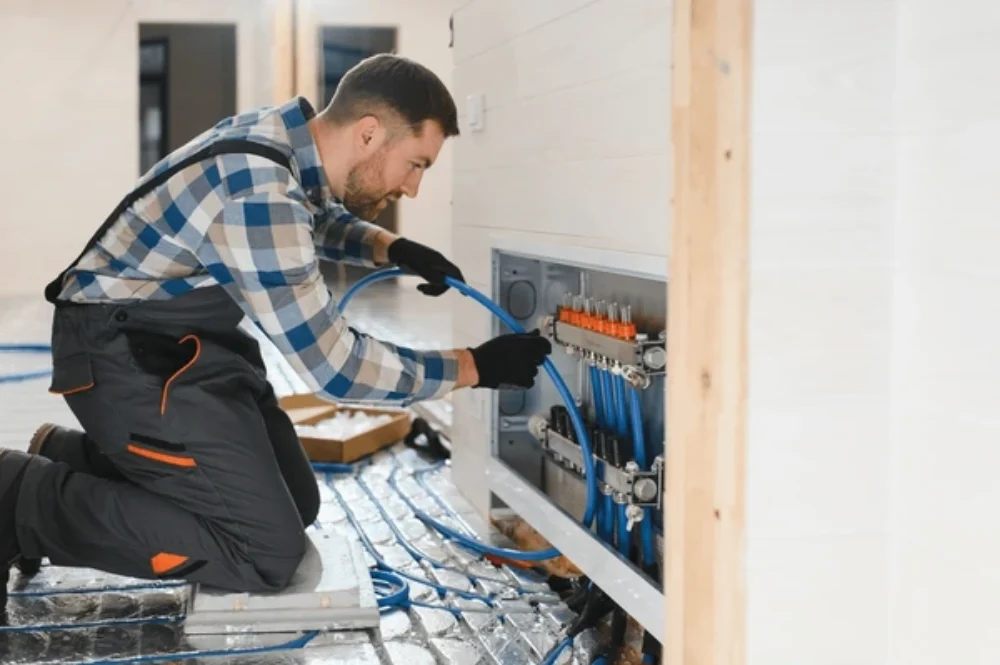
Heating installation is one of those things most people do not think about until winter hits hard. Then the cold comes in, the system struggles, and the bills suddenly jump. Winter 2026 is pushing more homeowners to think ahead, not because of trends, but because staying warm is getting more expensive and old systems are not cutting it anymore.
People are searching online for better ways to heat their homes without wasting money or breathing stale air all winter. That is why energy efficient systems are becoming the normal choice instead of a luxury.
Why heating choices look different in 2026
Energy prices are not calming down, and many homes are still running systems installed over a decade ago. That gap shows up clearly in rising energy bills. Even homes that feel warm are often burning more power than they should.
Another thing people notice more now is air quality. Dry air, dust, headaches, and allergy flare ups are common signs of poor indoor air quality during winter. Newer systems are designed to heat while also moving and filtering air properly, which older units rarely do well.
A modern heating installation is about control, balance, and efficiency, not just heat.
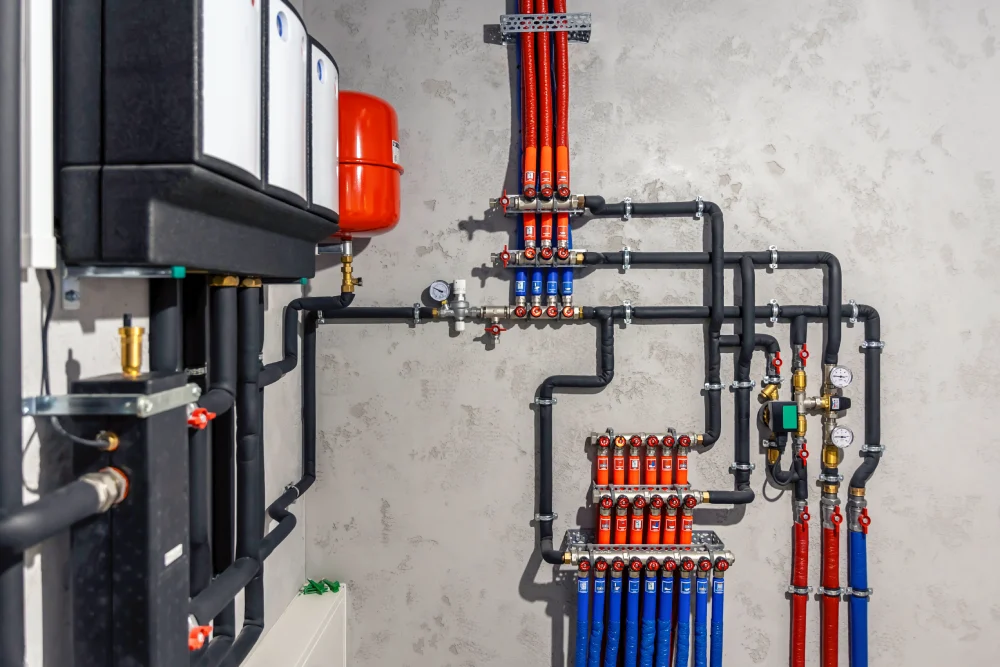
High efficiency heating systems are now the standard
What people want from heating today
- Steady warmth
- Lower bills
- Quiet operation
- Fewer breakdowns
A high-efficiency heating system adjusts itself instead of running at full power all the time. It uses sensors, variable speed motors, and smarter controls to give only the heat needed at that moment.
Many homeowners upgrading their heating installation notice the difference immediately. Rooms feel more even. The system runs quieter. The house does not feel dry or stuffy anymore.
Heat pumps are everywhere for a reason
Why heat pump installation keeps trending
- One system for heating and cooling
- Much lower energy use
- Works better than older models in cold weather
Heat pump installation has become one of the most searched heating topics because it simply makes sense for many homes. Instead of creating heat, these systems move it, which uses far less energy.
The installation of mini split heat pump systems is especially popular in homes without ducts or with room specific comfort issues. This type of heating installation lets each space control its own temperature, which cuts waste.
Ductless mini splits keep growing in demand
Why people choose ductless systems
- No ductwork needed
- Better room control
- Less energy loss
Ductless mini-splits solve problems that traditional systems struggle with. Rooms over garages, additions, basements, and offices often stay colder. A ductless setup fixes that without tearing walls apart.
When planned correctly, this style of heating installation improves comfort while lowering overall energy use.
Split systems still play a big role
Why split systems are not going away
- Reliable design
- Easier upgrades
- Compatible with smart controls
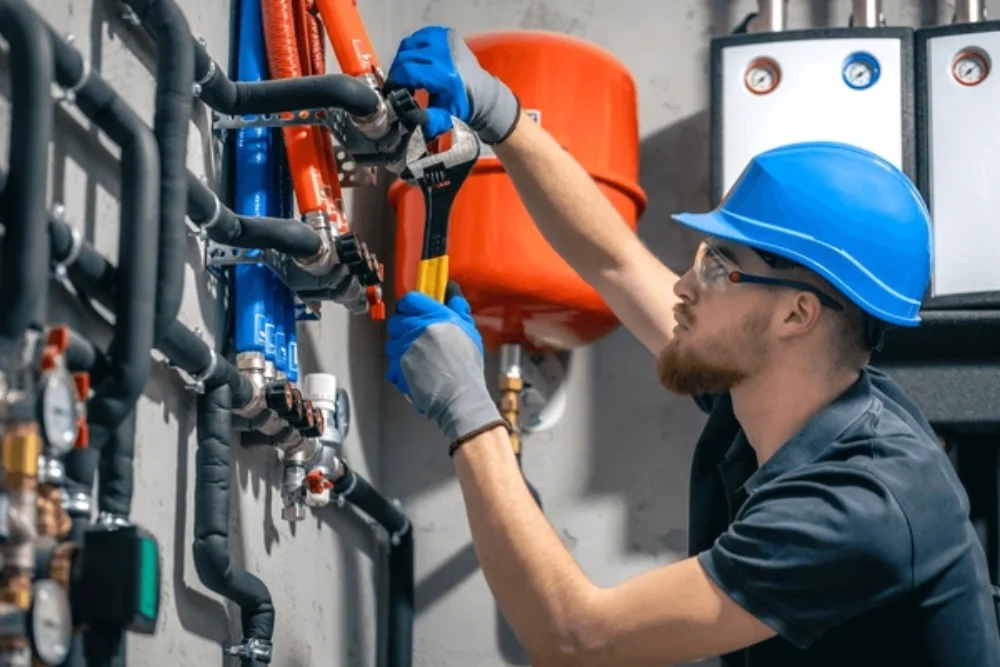
A split system hvac setup remains a solid option for many homes. These systems separate indoor and outdoor components, which improves efficiency and reduces noise.
When installed by a skilled HVAC contractor, this type of HVAC installation offers dependable winter heating and long term stability.
Indoor air quality is now part of heating
What homeowners are noticing
- Dust buildup
- Dry air
- Allergy symptoms indoors
Modern heating installation often includes better filtration and airflow management. Regular air filter replacement plays a bigger role than most people realize. Clean filters help the system breathe and keep air moving properly.
Better airflow means better heat distribution and healthier indoor air during long winter months.
Understanding costs without guessing
What people really want to know
- Is replacement worth it
- How long savings take
- What costs come from bad installs
Searching hvac replacement cost is common because no one wants surprises. While newer systems cost more upfront, they usually lower monthly energy use enough to balance out over time.
A proper heating installation avoids oversizing, airflow issues, and future repair expenses. That is where working with a knowledgeable HVAC contractor matters most.
Heating options comparison for Winter 2026
| System Type | Efficiency | Comfort Control | Best Fit |
| Heat Pump | Very High | Excellent | Most homes |
| Mini Split | High | Room based | Zoned spaces |
| Gas Furnace | Medium | Whole home | Cold regions |
| Hybrid System | High | Adaptive | Variable climates |
When replacement makes more sense than repair
Common signs people ignore
- Uneven room temperatures
- System running nonstop
- Frequent service calls
- Bills climbing every year
If these signs show up, another repair rarely fixes the real problem. A new heating installation usually delivers better comfort and lower costs instead of short term fixes.
Choosing the right contractor matters more than the system
What actually affects performance
- Correct sizing
- Proper airflow setup
- Careful calibration
Even the best equipment fails with poor HVAC installation. A skilled HVAC contractor looks at the whole house, not just the unit. That is what turns efficiency ratings into real world comfort.
Conclusion:
A smart heating installation is not about chasing trends. It is about comfort that feels steady, bills that stay predictable, and air that feels clean all winter long. Homes that plan ahead enjoy quieter systems, better warmth, and fewer surprises when the temperature drops.
Frequently Asked Questions
How long should a modern heating system last?
A properly installed and maintained system usually lasts between 15 and 25 years. Efficiency, usage habits, and indoor air quality all affect long term performance.
Are heat pumps reliable during winter?
Modern heat pumps are built for cold conditions and perform well in winter. New designs maintain efficiency far better than older models even in low temperatures.
Why do energy bills rise even without extra usage?
As systems age, efficiency drops. Worn components and airflow problems force the system to work harder, which increases energy use without noticeable comfort changes.
How often should filters be replaced in winter?
Most homes need filter checks every month and replacement every one to three months. Homes with pets or allergies often benefit from more frequent changes.
What causes certain rooms to stay colder?
Poor airflow, duct leaks, incorrect system sizing, or insulation gaps often cause uneven heating. Targeted system upgrades usually fix these issues.
Are ductless systems cheaper to run?
Ductless systems often use less energy because there is no duct loss and each room controls its own temperature based on actual need.
Is it better to repair or replace an old system?
If repairs are frequent and efficiency is low, replacement usually costs less over time. New systems reduce energy use and improve comfort immediately.
Does a new system help with indoor air quality?
Yes, newer systems improve airflow, filtration, and humidity control, which helps reduce dust, dryness, and allergy symptoms during winter.
How long does heating installation usually take?
Most residential installations take one to three days depending on system type, ductwork condition, and home size.
When is the best time to upgrade heating?
Upgrading before winter avoids emergency breakdowns, allows proper testing, and gives better scheduling options before peak demand.