If your furnace is blowing cold air, you’re not alone. It happens to a lot of homeowners, usually at the worst possible time, right when the temperature drops and you’re relying on your heating system the most.
It can catch you off guard: one minute the house feels warm and comfortable, and the next, you’re wondering why the vents are pushing out air that feels more like an open window in January. The good news? Many of the reasons behind this problem are simple, easy to understand, and sometimes even easy to fix on your own.
Why a Furnace Blows Cold Air
A furnace blowing cold air can happen for a handful of reasons. Some are small mistakes, like the thermostat being on the wrong setting, while others are more technical, such as a failing ignitor, restricted airflow, or a furnace that’s overheating and shutting down for safety.
The important thing is to recognize what your furnace is trying to tell you. Yes, systems “talk.” Maybe not with words, but definitely with signs: strange noises, odd smells, cold air when there should be warm air, or short cycling. When you pay attention early, you prevent bigger and more expensive issues down the road.
Below is a quick, simple overview of common problems and what usually fixes them.
Common Problems and Fixes
| Problem | What It Means | Quick Fix |
| Thermostat on wrong setting | Fan keeps running even when furnace isn’t heating | Switch fan setting to AUTO |
| Dirty air filter | Airflow is blocked; furnace overheats and shuts off | Replace the air filter |
| Ignition or pilot issues | Furnace can’t start the heating cycle | Replace or repair the ignitor |
| Overheating or short cycling | Furnace turns off quickly and blows cold | Improve airflow, clean vents |
| Furnace turns on but no heat | Burners aren’t firing | Check ignition or gas supply |
| Electric furnace issue | Internal wiring or component failure | Troubleshoot using electric furnace problems guide |
| Furnace showing fault codes | System is detecting an issue | Read and match furnace fault codes |
- Thermostat Issues
Let’s start with the simplest explanation, and the one many people overlook. Your thermostat controls everything, and a small setting can change the entire behavior of your furnace.
Switching the fan setting to AUTO usually solves this instantly. AUTO tells the fan to run only when the system is actively heating. A small change, but it fixes the “why is it blowing cold?” feeling more often than you’d think.
- A Dirty or Blocked Air Filter
Air filters may look simple, but don’t underestimate them. A clogged filter restricts airflow, and when airflow drops, the furnace begins to overheat. Modern furnaces have built-in safety features, so instead of letting the system get too hot, they shut down.
Pull the filter out, check for dust and debris, and replace it if it looks dirty. As part of a basic HVAC maintenance service, filters should be replaced every 1–3 months depending on usage.
- Ignition Problems
Ignition issues are another very common reason your furnace might be giving you air that feels chilly. When the ignitor or pilot light isn’t working correctly, the furnace will try to start — but it can’t ignite the burner.
You’ll hear the system come on. The blower will start pushing air. But since the burner never heats up, the air coming through the vents stays cold.
The fix for this usually involves identifying whether the ignitor is cracked, worn out, dirty, or completely dead. Most of the time, the solution is straightforward: replace the furnace ignitor. This gets the heating cycle back to normal and stops the cold-air problem instantly.
- Furnace Overheating or Short Cycling
A furnace that overheats will shut down repeatedly in short bursts, something known as short cycling. This can create a confusing situation: the system turns on, blows warm air briefly, shuts off, and then blows cold air afterward.
Short cycling can happen for several reasons:
- The furnace filter is clogged
- The vents or registers are blocked
- There’s an airflow restriction in the ductwork
- The blower motor is failing
- Furnace Turns On But No Heat
If your furnace turns on but produces no heat, the burners likely aren’t firing. This could be caused by:
- A blocked burner
- A faulty ignitor
- A gas supply issue
- A dirty flame sensor
- A tripped safety switch
In gas furnaces, even a small amount of dirt or debris on the flame sensor can prevent the system from staying lit. Electric furnaces have their own issues, often involving faulty heating elements or wiring.
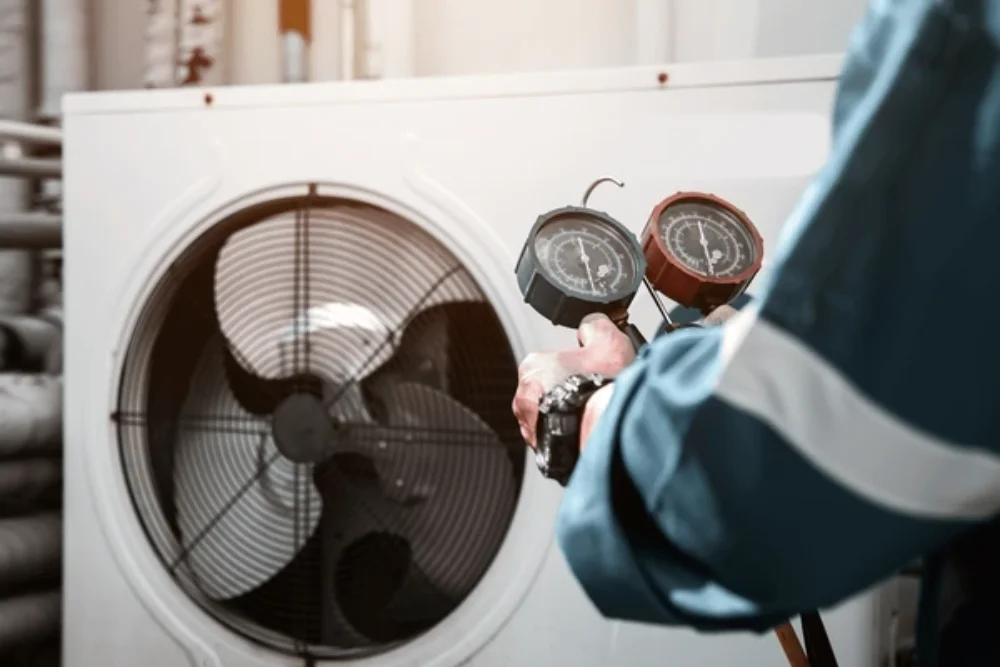
The key idea? The blower runs, but the heat source never does, which is why the air feels cold.
- Electric Furnace Problems
While gas furnaces usually involve burner or ignition-related issues, electric furnaces behave differently. If the heating elements fail, you’ll feel nothing but room-temperature air coming through your vents.
Over time, heating elements can burn out or become disconnected. Electrical components can loosen, wear out, or short. These types of problems often require a technician because internal wiring and high-voltage parts can be hazardous to handle without proper training.
- Furnace Fault Codes
Modern furnaces come with built-in diagnostic systems. When something isn’t right, the furnace often shows fault codes, usually through blinking LED lights or displayed error codes.
Each code corresponds to a specific issue. For example:
- Rapid blinking might indicate an ignition failure
- A single slow blink could point to airflow restriction
- A two-blink pattern might signal pressure switch problems
If you see these lights, the furnace is actually trying to help you identify the issue. Matching the code to the furnace manual or a furnace fault codes chart can save you time and guesswork.
Conclusion:
A furnace blowing cold air is a sign that something isn’t working the way it should. Sometimes the fix is easy. Other times, there’s a deeper issue behind the scenes. Either way, understanding the common causes helps you respond faster, avoid unnecessary stress, and protect your heating system from bigger problems.
And remember: catching issues early is the best way to keep your home warm, safe, and comfortable all winter long.
Frequently Asked Questions
Why is my furnace blowing cold air?
Most of the time, it’s a simple issue like the thermostat setting, a dirty air filter, or an ignition problem.
How do I know if it’s a thermostat problem?
Check if the fan is set to ON instead of AUTO. Switching it to AUTO usually solves the cold airflow issue.
Can a dirty air filter cause cold air?
Yes. When airflow is restricted, the furnace can overheat and shut down, letting cold air blow through the vents.
What should I do if the furnace turns on but doesn’t heat?
Check the ignitor, gas supply, or flame sensor. If it’s an electric furnace, inspect heating elements or wiring.
Why does my furnace keep turning on and off?
This short cycling usually happens due to overheating, blocked airflow, or sensor problems.
When should I replace the furnace ignitor?
If the furnace isn’t lighting properly or the burners fail, replacing the furnace ignitor often fixes the problem.
Can blocked vents make the furnace blow cold air?
Yes. Closed or obstructed vents restrict airflow, causing overheating and cold air from the system.
What are furnace fault codes?
These are diagnostic signals from your furnace that point to specific issues, like ignition failure or airflow problems.
How often should I replace the air filter?
Every 1–3 months, depending on usage, dust levels, and pets in the house.
When should I call an emergency furnace repair service?
If the furnace smells like burning, makes unusual noises, won’t heat at all, or keeps shutting off.