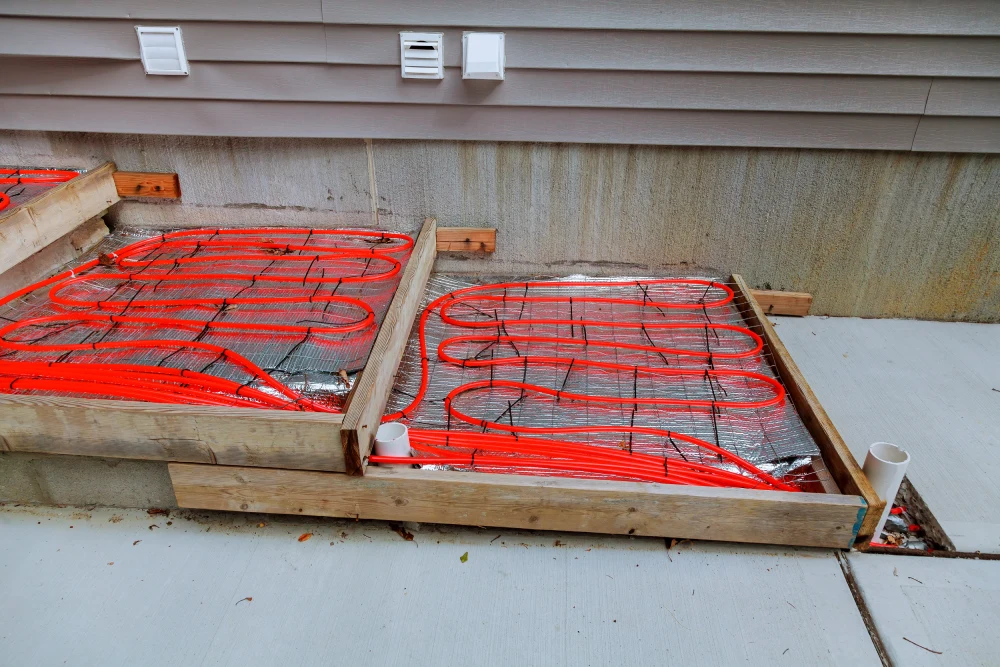
Geothermal heat pump installation changes everything for keeping homes cozy in winter and cool in summer. Think of it as tapping straight into the earth’s natural thermostat, which stays steady no matter the weather outside. More homeowners pick geothermal heat pump installation these days because energy bills keep climbing, and everyone wants ways to go green without hassle.
Why Go for Geothermal Heat Pump Installation
Geothermal heat pump installation beats regular systems hands down. These setups grab heat from deep underground instead of fighting cold outdoor air. That means they cut energy use by up to 70%, turning dollars into real savings month after month. Geothermal heat pump installation also pumps up your home’s value like buyers love seeing efficient, earth-friendly features already in place.
The indoor parts hold strong for 25 years or longer, while those buried ground loops? They easily last 50 years or more. Geothermal heat pump installation comes with big perks like federal tax breaks up to 30% through 2032, and plenty of local rebates sweeten the deal. Best part, maintenance stays simple, so costs don’t sneak up on you over time.
Types of Home Geothermal Heat Pumps
Home geothermal heat pumps match different yard setups and soil types. Pick the right loop style, and the system runs smoothly for decades.
- Horizontal loops work great in big, flat yards, trenches go about 6 feet deep across open space.
- Vertical loops fit tight lots perfectly, drill straight down 100 to 400 feet without eating up surface area.
- Pond or lake loops coil pipes underwater when water’s nearby, super efficient thanks to water holding heat steady.
- Open loops pull from groundwater if you’ve got wells and water rights, often the simplest upfront choice.
Geothermal system sizing looks at your home’s size, insulation levels, and local weather to get it just right. No guesswork; pros crunch the numbers for loops that match exactly.
Geothermal System Sizing Basics
Geothermal system sizing makes sure the system runs at top speed without wasting a dime. It factors in windows, walls, ceilings, and even how many folks live there.
| Home Size (sq ft) | Tonnage Needed | Loop Type Example |
| 1,000-1,500 | 2-3 tons | Vertical for small yards |
| 1,500-2,500 | 3-4 tons | Horizontal on open land |
| 2,500-4,000 | 4-5 tons | Pond near water |
Go too big, and groundwater heat pump cost climbs with no extra gain. Too small, and it struggles. Let certified folks use their sizing software for a perfect fit.
Step-by-Step Geothermal Heat Pump Installation
Geothermal heat pump installation rolls out in clear stages, usually wrapping up in 1 to 4 weeks depending on the loops.
Site Assessment and Design
Teams scout the yard for soil type, slopes, and buried lines. Permits get sorted next—sometimes with a quick environmental check. Designs nail down loop paths and equipment specs.
Ground Loop Excavation
Big machines dig trenches or bore deep holes. Tough HDPE pipes fill with fluid to carry heat to and fro. Installing a geothermal heat pump kicks off strong here, backfilling everything tight for protection.
Indoor Unit Setup
The heat pump for the geothermal system slides into a basement or utility spot. Ducts connect if your home needs them. Wiring and pipes hook up clean and quick.
System Connections and Testing
Loops link to the unit through manifolds. Fluid loads in, pressures get checked. Full tests run hot and cold air to confirm it all works smoothly. Geothermal heating and cooling installation finishes with thermostat tweaks and a full demo for you.
Cost of Geothermal Heat Pump Breakdown
Cost of a geothermal heat pump lands between $20,000 and $40,000 for most homes in 2026. Break it down like this:
| Component | Avg. Cost Range | Notes |
| Ground loops | $10,000-$20,000 | Vertical costs more to drill |
| Heat pump unit | $5,000-$12,000 | Sized for 3-5 tons |
| Ductwork/labor | $3,000-$8,000 | Skip if ducts exist already |
| Permits/extras | $2,000-$5,000 | Drilling bumps it up |
Geothermal heat pump installation pays for itself in 5 to 10 years through lower bills and rebates. Groundwater heat pumps cost dips to $15,000-$25,000 when wells make it easier.
How Long Do Ground Source Heat Pumps Typically Last
Ground source heat pumps stand tough because the ground stays constant underground. Indoor units hum along 20 to 25 years, loops push 50 to 100. Geothermal heat pump replacement rarely hits early if you swap filters and flush lines now and then.
Finding Geothermal Installers Near Me
Hunt for geothermal installers near me through IGSHPA lists or trusted local HVAC crews. Look at reviews, ask for warranties—10 to 25 years standard—and check their past jobs. Grab 3 to 5 quotes before geothermal system install starts.
Geothermal Heat Pump Replacement Tips
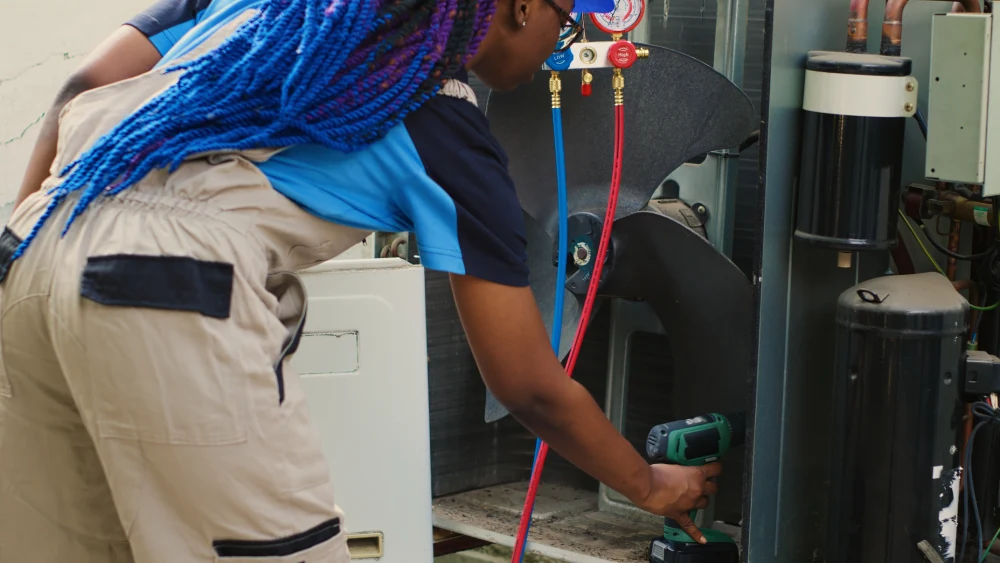
Geothermal heat pump replacement usually means swapping just the indoor part, keeping those trusty loops. Watch for spiking bills or spotty temps as signs. New units hit 500% efficiency, blowing old ones away. Plan $8,000 to $15,000.
Benefits Beyond Savings
Installing geothermal heat pump slashes emissions by half or more. Runs whisper-quiet with no rattling outdoor boxes. Cleans air better with top filters. Team it with solar panels for a home that makes its own power.
Even in freezing winters, geothermal heat pump installation pulls reliable 55°F from the ground when air plunges way below.
Maintenance for Longevity
Keep things simple to make it last.
- Flush those loops every 3 to 5 years.
- Swap filters every quarter.
- Eye pressure gauges each month.
- Book pro tune-ups once a year.
These moves stop 90% of headaches before they start.
Frequently Asked Questions
What is geothermal heat pump installation and how does it work?
Geothermal heat pump installation buries special pipes underground with fluid that soaks up earth’s steady warmth in winter or sheds house heat in summer. The pump shuttles it to indoor parts that warm or chill air, running super efficient without gas or oil guzzling.
How long do ground source heat pumps typically last?
Ground source heat pumps keep going 20-25 years indoors and 50+ for loops underground, often longer than the house itself. Stay on top of basic care like yearly checks, and repairs stay rare.
What is the cost of geothermal heat pump systems in 2026?
Cost of geothermal heat pump hits $20,000-$40,000 all-in, based on loops and home size. Grab 30% federal rebates to drop it real to $14,000-$28,000—huge win right there.
How do I find reliable geothermal installers near me?
Type geothermal installers near me into IGSHPA.org or Angi for top certified teams. Line up 3+ quotes, scan those 5-star reviews, and lock in solid warranties every time.
Is geothermal system sizing complicated for my home?
Geothermal system sizing starts with a pro load calc on your insulation, windows, and weather zone. Skip guessing—let experts size loops and power right to dodge waste or weak spots.
What are the steps for installing geothermal heat pump?
Install geothermal heat pump goes site check, dig loops, place indoor gear, wire and pipe it up, test pressures, then fire it full blast. Counts 1-4 weeks; vertical suits small yards fast.
Can I do geothermal heat pump replacement without new loops?
Sure, geothermal heat pump replacement keeps old loops 90% of cases, just $8,000-$15,000 outlay. Snag a newer efficient model to stack even bigger savings on top.
What is groundwater heat pump cost compared to loops?
Groundwater heat pump cost comes in $15,000-$25,000, cheaper sans major digging. Line up good well water and permit first to make discharge smooth.
How does a heat pump for a geothermal system differ from an air-source?
Heat pump for the geothermal system taps ground’s even 55°F for 400-500% efficiency, topping air-source 200-300%. Crushes cold winters, no extra heaters needed.
Are there rebates for geothermal heating and cooling installation?
Geothermal heating and cooling installation scores 30% federal credit up to $2,000 under 25C, plus state extras. Hit the DSIRE database or ask your installer to max them out.