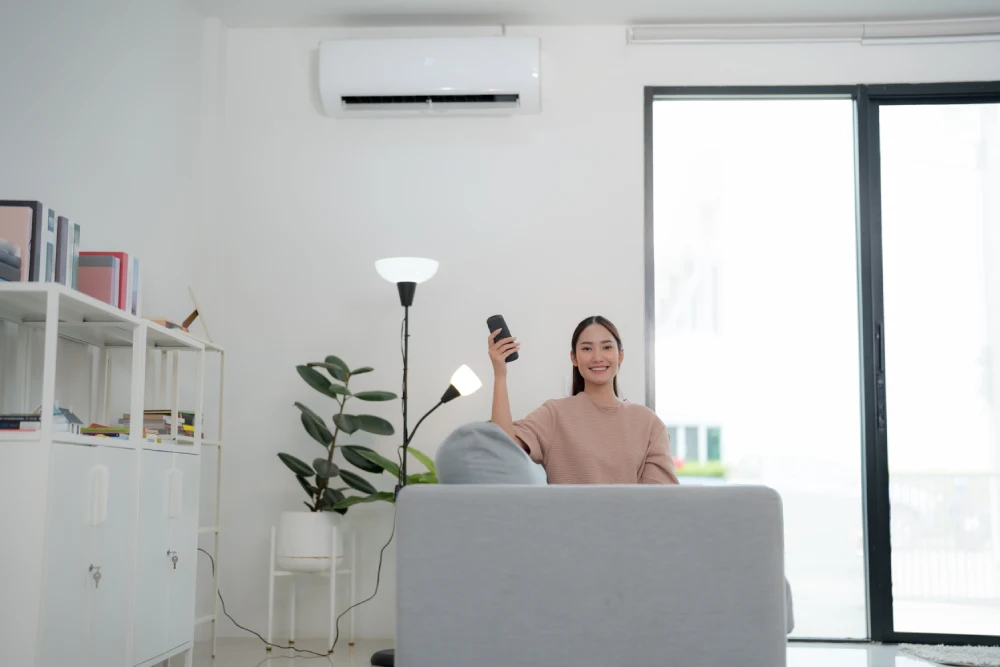
Indoor air quality is something most families overlook, but it’s actually one of the most important things in a home. People often think the air inside is clean just because the house looks tidy. The truth is, your indoor air can be full of dust, mold, smoke, cooking fumes, and tiny air pollutants that nobody notices. Over time, these things add up, and the effects of air pollution start showing in subtle ways like tired kids, sore throats, headaches, sneezing, even trouble sleeping.
It’s easy to ignore until someone starts feeling sick or the air just feels “off.” That’s when the real value of indoor air quality becomes obvious.
Why Does Air Go Bad Inside?
Air inside a home can turn unhealthy for a bunch of reasons. Poor ventilation is the biggest culprit. If fresh air can’t move in, everything stays trapped. Cooking without a vent, shower steam, old carpets, cleaning sprays, or scented candles release chemicals into the air. Even outside pollution sneaks in when people ask why the air quality is bad today.
All of this builds up slowly. Before you know it, the air your family breathes every day isn’t as clean as it should be. That’s why checking indoor air quality regularly matters so much.
How Can Families Spot Problems Early?
There are some easy ways to tell if air isn’t great. One of the simplest is an indoor air quality monitor. These gadgets show dust, gases, and humidity levels that you can’t see. Some people place multiple indoor air quality monitors around the house to see which rooms need help.
A basic indoor air quality testing kit can give you a quick snapshot. But for more serious concerns, professional indoor air quality testing, testing indoor air quality, or testing for indoor air quality gives the full picture. A proper indoor air quality inspection even checks for mold, duct cleanliness, and ventilation, giving a complete air quality assessment.
How Does Poor Air Affect Health?
Poor indoor air quality shows up in ways that can be easy to miss at first. Maybe someone wakes up congested, or kids get tired faster than usual. You might notice sneezing, itchy eyes, headaches, or trouble sleeping. For people with asthma or allergies, symptoms can spike. Even pets react, coughing or scratching more than normal.
Over time, bad air can have long-term effects, but the good news is that clean, fresh air makes a home feel lighter immediately. Breathing becomes easier, sleep improves, and everyone just feels better.
How to Improve Indoor Air Quality
Improving indoor air quality doesn’t have to be complicated. Simple daily habits go a long way. Open windows when the air outside is clean. Use exhaust fans in the kitchen or bathroom to push out steam and fumes. Clean often, especially dusty areas, and vacuum with a HEPA filter to catch tiny particles.
Moisture is a big deal. Too much humidity grows mold, too little irritates the skin and throat. Keeping it between 30 and 50 percent is perfect. HVAC systems need attention too. A home air quality inspection can show if ducts or vents need cleaning.
For bigger homes, a whole home air filtration system keeps every room fresh. Extra indoor air quality products like purifiers, dehumidifiers, and ventilators help keep the air clean.
When Should You Call in Professionals?
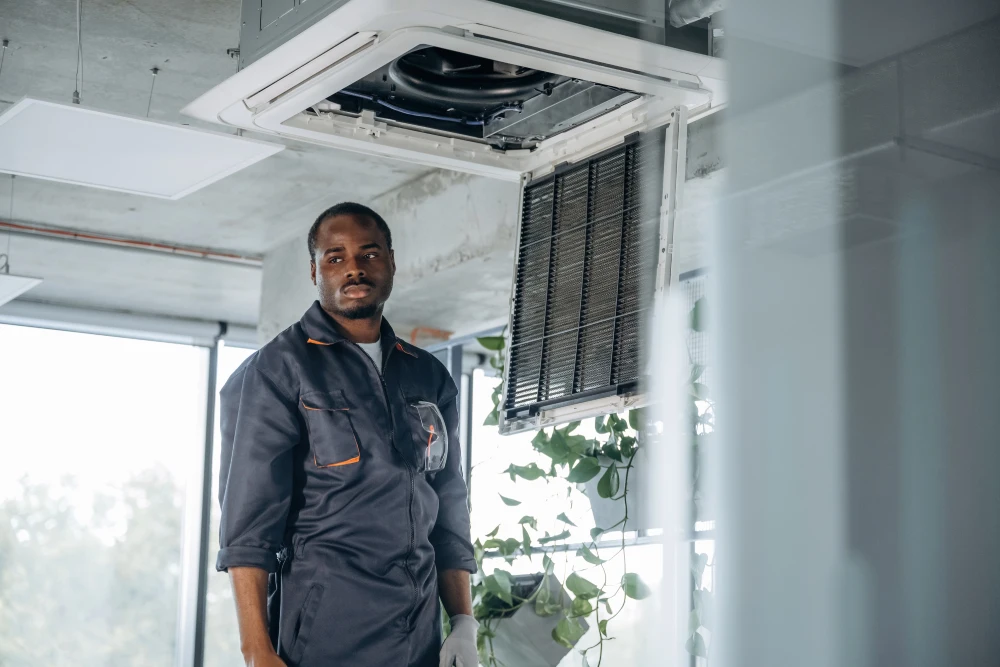
Sometimes the air needs more than a fan or purifier. That’s when indoor air quality services make sense. An indoor air specialist can find hidden mold, chemicals, or dust you wouldn’t notice on your own. Professionals are especially helpful after renovations, leaks, or when the family notices unexplained symptoms. They pinpoint the source and recommend real solutions.
Quick Look at Common Indoor Pollutants
Dust and allergens come from carpets, furniture, and pets, causing sneezing and breathing issues. Mold thrives in moisture and leaks, triggering headaches and asthma. VOCs from paints and cleaners irritate eyes and lungs. Smoke from cooking and candles irritates the respiratory system. Even outdoor pollution sneaks in, affecting indoor breathing.
Conclusion:
The environmental protection act air guidelines mainly target industries and public spaces, but they still help homeowners understand safe levels. Knowing these standards makes it easier to make choices about ventilation, filtration, and cleaning, keeping long-term exposure low.
Frequently Asked Questions
How often should indoor air be checked?
At least once a year, especially if there are kids, seniors, or pets in the house. Renovations or water leaks are a reason to test sooner because pollutants spike.
What signs show the air is bad?
Stale or musty smells, constant sneezing, congestion, headaches, and dust piling up faster than usual. If everyone in the home feels off, the air is probably the cause.
Can an air purifier fix everything?
Purifiers reduce dust, pollen, and small particles, but they can’t solve mold growth or chemical fumes. They work best alongside ventilation and regular cleaning.
Is a whole home air filtration system worth it?
Absolutely, for larger homes or families with allergies. It keeps the air clean in every room, not just one, and supports the HVAC system.
Do indoor plants actually clean the air?
They add freshness and beauty, but their effect on cleaning is minimal. Purifiers and good airflow do the heavy lifting.
Which indoor air monitor is best?
Look for one that tracks PM2.5, VOCs, CO2, and humidity. Monitors with real-time alerts make it easy to notice sudden changes.
Do dirty HVAC filters affect health?
Yes. Dirty filters trap dust and push it back into rooms, making breathing harder. Clean filters help airflow and improve comfort.
Should windows be opened every day?
Open them when outdoor pollution is low. On days with high pollen, smoke, or smog, it’s better to keep them closed.
Why does humidity matter?
Too high encourages mold, too low irritates skin, nose, and throat. Balanced moisture keeps air comfortable and safe.
Who should do a full indoor air inspection?
A certified inspector or trained indoor air specialist. They can detect hidden pollutants and suggest effective solutions.