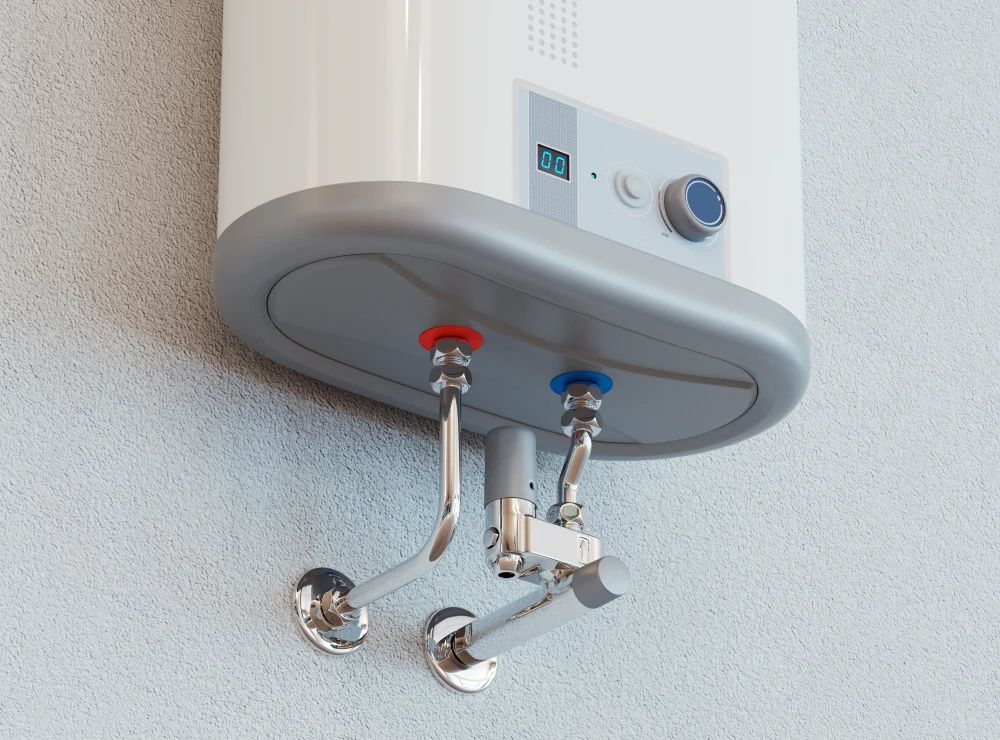
Choosing between a traditional water heater and a tankless system can feel confusing. Water heater vs tankless is one of the most searched home improvement comparisons because hot water affects daily comfort, energy bills, and long term value. This guide explains how both systems work, where each one wins, and what really matters before making a decision.
How a Traditional Water Heater Works
A standard tank water heater stores hot water in a large tank, usually 30 to 80 gallons. The unit heats water, keeps it hot, and refills the tank after use.
Key characteristics
- Hot water supply is limited to tank size
- Reheating takes time
- Lower upfront cost
- Proven and simple technology
In the water heater vs tankless debate, tank systems are familiar and easier to install in most homes.
How Does a Tankless Hot Water Heater Work
A tankless system heats water only when needed. When a tap opens, cold water flows through heating elements or gas burners and becomes hot instantly.
Key characteristics
- No storage tank
- Endless hot water when sized correctly
- Compact wall mounted design
- Higher upfront cost
This on demand process is why many homeowners ask are tankless water heaters good for modern living.
Water Heater vs Tankless at a Glance
| Feature | Tank Water Heater | Tankless Water Heater |
| Hot water supply | Limited | Continuous |
| Energy use | Constant reheating | On demand only |
| Installation cost | Lower | Higher |
| Space required | Large | Compact |
| Lifespan | 8 to 12 years | 15 to 20 years |
This table alone explains why water heater vs tankless searches keep growing.
Benefits of Tankless Water Heater Systems
The most searched question is what is the benefit of a tankless water heater, and the answer depends on lifestyle.
Benefits of tankless water heater options include
- Endless hot water for back to back showers
- Reduced energy waste
- Space saving design
- Longer lifespan
An energy efficient tankless water heater can lower utility bills over time, especially in homes with moderate daily usage.
Advantages and Disadvantages Explained
Advantages of Tankless Water Heater
- No running out of hot water
- Longer system life
- Cleaner, modern setup
- Lower standby energy loss
Disadvantage of Tankless Water Heater
- Higher upfront installation cost
- Electrical or gas upgrades may be needed
- Flow rate limits if multiple fixtures run at once
When comparing water heater vs tankless, these tradeoffs matter more than marketing claims.
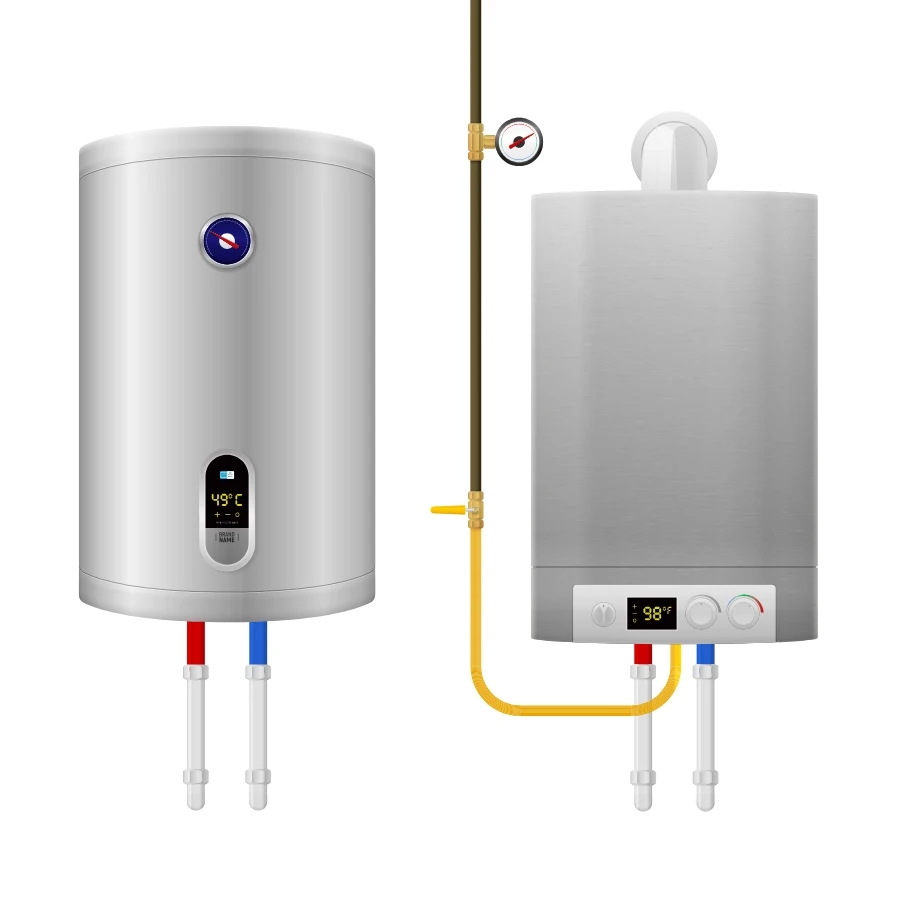
Electric and Instant Water Heating Options
Many homeowners look into instant water heater electric solutions for small homes or apartments. An electric instant water heater works well for single bathrooms, offices, or low demand spaces.
An instantaneous hot water system is not always ideal for large households unless multiple units are installed.
Condensing vs Non Condensing Tankless Water Heater
A condensing tankless water heater captures extra heat from exhaust gases, improving efficiency. Non condensing units are cheaper upfront but waste more heat.
| Type | Efficiency | Cost |
| Condensing | Higher | Higher |
| Non condensing | Lower | Lower |
This comparison often appears in advanced water heater vs tankless research.
How Long Do Tankless Water Heaters Last
One of the biggest advantages is lifespan. Many ask how long do tankless water heaters last.
Typical ranges
- Tank water heater: 8 to 12 years
- Tankless system: 15 to 20 years
With proper maintenance, tankless systems often justify their higher cost over time in the water heater vs tankless decision.
- Brand and System Considerations
Brands like eccotemp water heater systems are popular for point of use and portable setups. They are common in cabins, outdoor kitchens, and low demand homes. Sizing correctly is more important than brand name in any water heater vs tankless comparison.
Which Option Makes Sense for Your Home
Choose a tank water heater if
- Budget is limited
- Hot water demand is predictable
- Existing setup needs minimal changes
Choose tankless if
- Energy efficiency matters
- Space is limited
- Multiple people use hot water daily
This is why water heater vs tankless has no single right answer.
Common Myths About Tankless Water Heaters
Many homeowners hesitate because of outdated or incorrect information. These myths often confuse people researching water heater vs tankless options.
Some believe tankless systems cannot handle cold climates. In reality, modern units are designed to perform efficiently even in low temperatures when properly sized.
Another myth is that tankless heaters cannot supply multiple fixtures. The issue is not the system itself, but incorrect sizing. A properly sized unit can support showers, sinks, and appliances together.
There is also a belief that tankless systems are unreliable. In practice, fewer moving parts and no storage tank reduce failure points compared to traditional heaters.
Understanding these facts removes hesitation and clarifies the real water heater vs tankless comparison for homeowners.
Conclusion:
The water heater vs tankless choice depends on usage, budget, and long term plans. Tank systems are affordable and simple. Tankless systems deliver efficiency, longevity, and convenience. Knowing how each works makes the decision clearer and more confident.
Frequently Asked Questions
What is better for a large family?
Tankless works well if sized correctly. Multiple fixtures can run without hot water loss.
Are tankless water heaters energy efficient?
Yes, especially for moderate daily use. No standby heat loss.
Can tankless systems work with old homes?
Yes, but upgrades may be required, electrical or gas capacity must be checked.
Is maintenance higher for tankless units?
Annual descaling is recommended, maintenance is simple but important.
Do tankless heaters increase home value?
Often yes due to efficiency and lifespan. Buyers see them as modern upgrades.
Can an electric instant water heater run a whole house?
Usually no. It is best for single fixtures or small homes.
What happens during a power outage?
- Electric units stop working
- Gas units may still need electricity
Are condensing tankless units worth it?
Yes for long term energy savings, higher upfront cost pays off over time.
How loud are tankless water heaters?
- Generally quiet
- Slight sound during operation
Is tankless safe for drinking water use
Yes when installed correctly. It meets residential safety standards.