
A commercial refrigerator isn’t some dusty appliance tucked away in the corner. It’s the quiet hero making sure everything runs smooth: fresh ingredients stay fresh, and you’re cutting waste nobody even spots.
Come 2026, businesses aren’t buying basic cooling anymore. They want bulletproof reliability, non-stop performance, and something built to crush the daily chaos without ever letting you down. A good commercial fridge does not slow things down. It supports the flow of work, keeps food safe, and helps avoid unnecessary losses.
There is also a growing focus on smarter refrigeration system setups. Energy costs are rising, expectations are higher, and businesses need equipment that works efficiently without constant attention.
What Actually Makes a Commercial Refrigerator Different
A commercial refrigerator is built with one purpose in mind: to handle real work. It is opened dozens, sometimes hundreds of times a day. It stores more, cools faster, and stays consistent even during busy hours.
Here is what sets it apart
- Strong internal systems that do not overheat easily
- Faster refrigerated cooling that brings temperature down quickly
- Heavy-duty build that lasts longer
- Better airflow for even cooling
- Designed to meet safety standards
This is why a basic refridgeration unit made for home use simply cannot handle a commercial environment.
How Refrigeration Actually Works
Every commercial refrigerator runs on a simple idea. Heat is removed from inside and pushed outside. That is what keeps everything cold.
This process is known as the air conditioning and refrigeration cycle, and it happens continuously in the background.
Main refrigeration system components involved
- Compressor pushes the refrigerant forward
- Condenser releases heat outside
- Evaporator absorbs heat from inside
- Expansion valve controls the flow
These refrigeration system components work together without interruption. When one part struggles, the entire system feels it. That is why understanding the basics helps in making a better choice.
Types of Commercial Refrigerators That Actually Make Sense
Not every commercial refrigerator fits every business. The right one depends on how things run day to day.
Reach-In Units
Simple, upright, and easy to access
Perfect for fast-paced kitchens
Walk-In Units
Large storage for bulk items
Best for hotels or high-volume restaurants
Undercounter Units
Fits into tight spaces
Useful for smaller setups
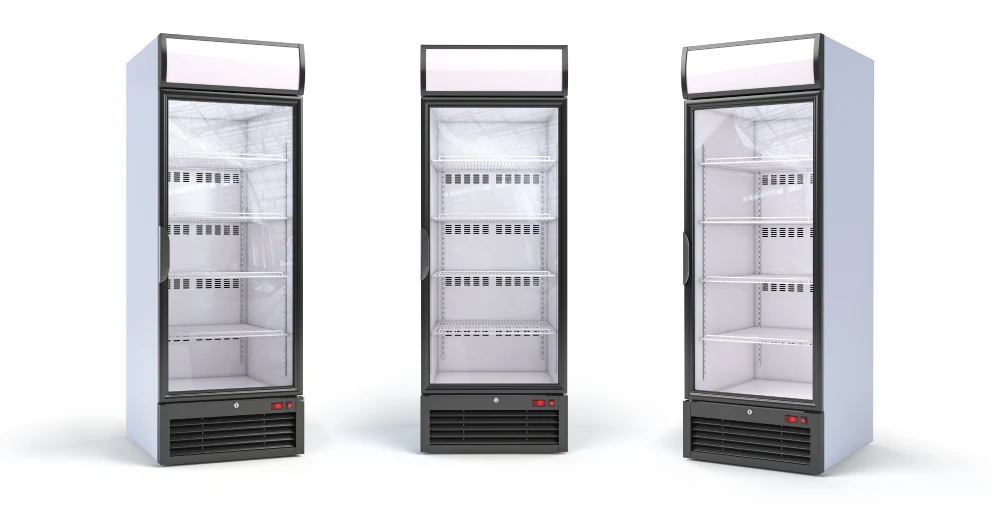
Display Units
Glass front for visibility
Great for bakeries and retail
Outdoor Refrigerator
Built to handle changing weather
Works well in outdoor dining setups
Each refrigeration type serves a specific purpose. Picking the wrong one usually leads to frustration later.
What Really Matters When Choosing One
A commercial refrigerator should make work easier, not harder. That means focusing on what actually matters.
Cooling Speed
Faster refrigerated cooling means less risk of spoilage
Energy Usage
Lower consumption saves money over time
Build Quality
Strong materials reduce maintenance
Storage Design
Flexible shelves make organization easier
Temperature Control
Consistent cooling avoids food safety issues
Best Options Based on Business Needs
Instead of chasing brands, it makes more sense to look at what fits the situation.
Small Businesses
A compact commercial fridge works well
Does not take much space and handles daily needs
Restaurants
A double-door commercial kitchen refrigerator
Keeps ingredients organized and accessible
Retail Stores
A display-style commercial refrigerator
Helps customers see products clearly
Large Operations
Full walk-in setups
Complete refrigeration system designed for scale
Simple Comparison to Make Things Clear
| Type | Works Best For | Main Benefit |
| Reach-In | Restaurants | Quick access |
| Walk-In | Large kitchens | More storage |
| Undercounter | Small spaces | Saves space |
| Display | Retail | Better visibility |
| Outdoor | Open areas | Weather resistant |
What to Think About Before Buying
Looking at a commercial refrigerator for sale can feel overwhelming. Too many options, too many features.
Breaking it down helps.
Space
Measure first, always
Usage
How often it will be opened
Storage Needs
Volume matters more than appearance
Budget
Balance between cost and performance
Special Requirements
Some setups may need something like a wine cellar cooling unit
Cost in 2026
Prices vary, but the pattern is clear.
- Smaller units are easier on the budget
- Mid-size commercial fridge for sale options sit in the middle range
- Walk-ins require a bigger investment
Spending a little more on efficiency often pays off over time.
Keeping It Running Without Problems
A commercial refrigerator does not need complicated care, just consistency.
Daily
- Wipe surfaces
- Keep it organized
- Avoid overloading
Monthly
- Check door seals
- Clean coils
Yearly
- Full inspection of refrigeration system components
- Professional servicing
Small steps prevent bigger problems later.
Common Mistakes That Cause Trouble
These happen more often than expected:
- Choosing the wrong refrigeration type
- Ignoring energy consumption
- Buying without measuring space
- Going for the cheapest option
A wrong decision here usually shows up in daily operations.
What Has Changed in 2026
Modern units are smarter and more efficient.
Notable improvements
- Better energy-saving systems
- Smarter temperature controls
- Improved refrigerated cooling performance
- More durable designs
A newer commercial refrigerator is built to last longer and perform better under pressure.
Conclusion:
A commercial refrigerator quietly supports everything happening in a business. It protects inventory, keeps things organized, and helps maintain quality every single day.
Choosing the right one is not about features alone. It is about understanding how the business runs and finding something that fits into that flow naturally.
A well-chosen unit reduces stress, saves money, and keeps operations smooth without constant attention.
Frequently Asked Questions
Best Refrigerator for Small Setups?
You want a compact undercounter fridge. Fits anywhere tight and cools just right without extra energy waste.
How Long Does It Last?
Around 8 to 15 years if you treat it well. Regular wipes and good airflow make all the difference.
What Size for Busy Kitchens?
Go bigger with double doors or a walk-in. Perfect for stacking lots and nonstop kitchen hustle.
Why Is Energy Efficiency Important?
Keeps your power bills low and the fridge running smooth year after year.
Can It Be Used Outdoors?
Just get one built for outside. Everyday models can’t hack the weather ups and downs.
How Often Is Maintenance Needed?
Quick cleans every week, pro check once a year. Stops big problems cold.
What Is a Refrigeration System?
Sucks the heat right out from inside and shoots it away. Keeps your food fresh every time.
Is a Wine Cooler Necessary?
Totally, if wine’s on offer. Hits that perfect temp and moisture to save every bottle.
Where Can You Buy One?
Good suppliers nearby or trusted sites online. Look for ones with real help and guarantees.
What Is the Biggest Buying Mistake?
Grabbing the wrong style. Spells trouble with space, cash, and daily kitchen grief.